
A practical checklist of transaction details, messages, account records, and security information to preserve after suspected cryptocurrency fraud.
Fraud investigation resources
Recognize common warning signs of follow-up recovery scams and learn how to protect your wallet, accounts, and evidence after a crypto loss.
Learn what records can help document a suspected scam, how bank and blockchain transactions differ, and what tracing can realistically establish.
07
Oct
Oct
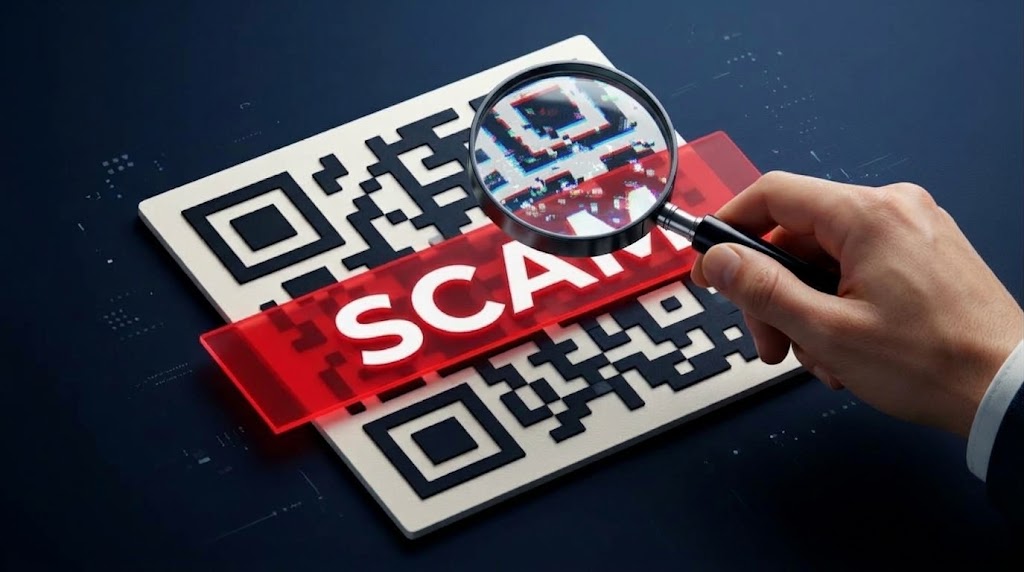
A QR code scam sends you to a payment page or a wallet address you did not choose. Here is how stickers, texts, and kiosk codes are used, and what to do after a scan.
07
Oct
Oct
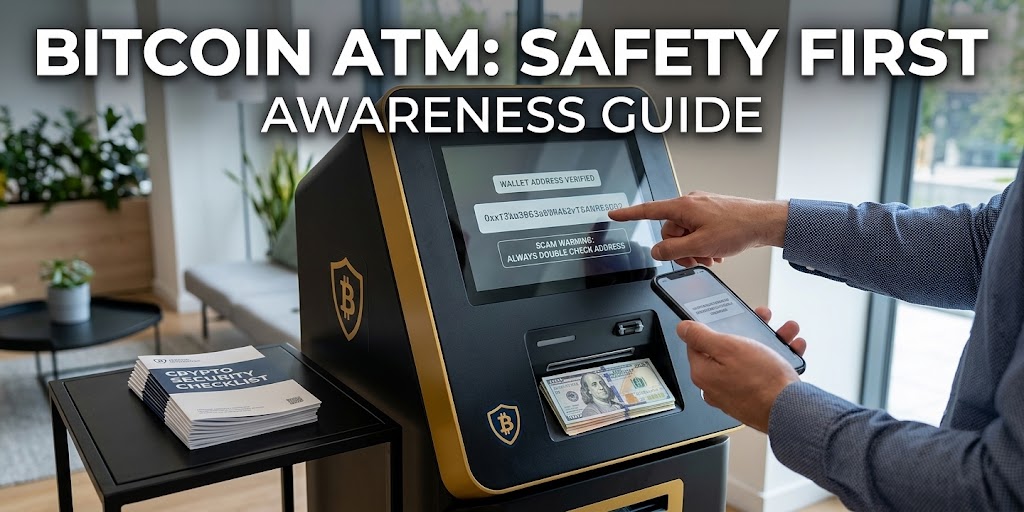
A Bitcoin ATM scam walks you to a cryptocurrency kiosk and tells you where to send the coins. IC3 recorded more than 13,400 kiosk complaints in 2025.
07
Oct
Oct
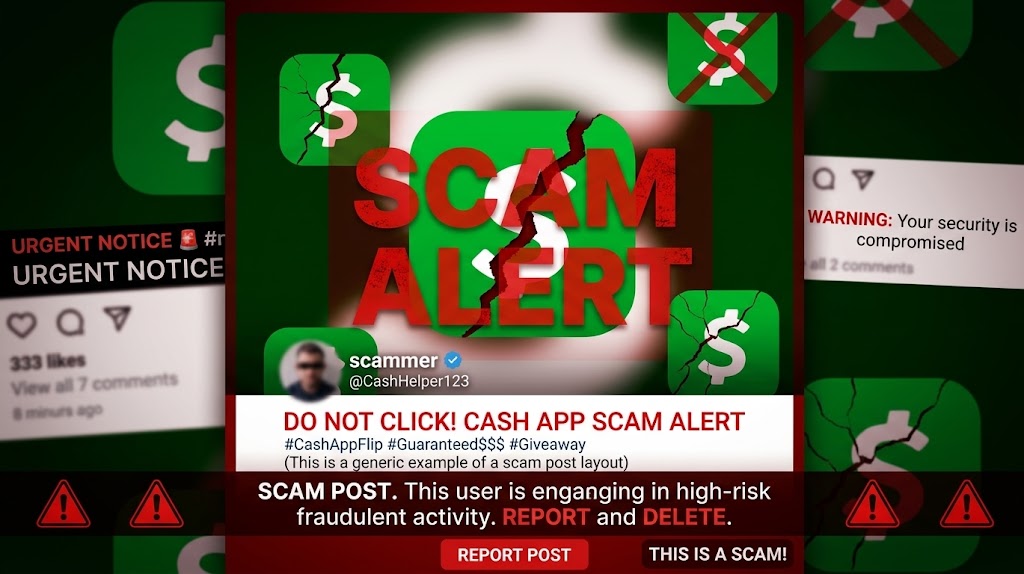
A Cash App scam uses a payment alert, a wrong-person story, or a fake support call to get you to send money or a sign-in code. Here is what to do if you already did.
07
Oct
Oct
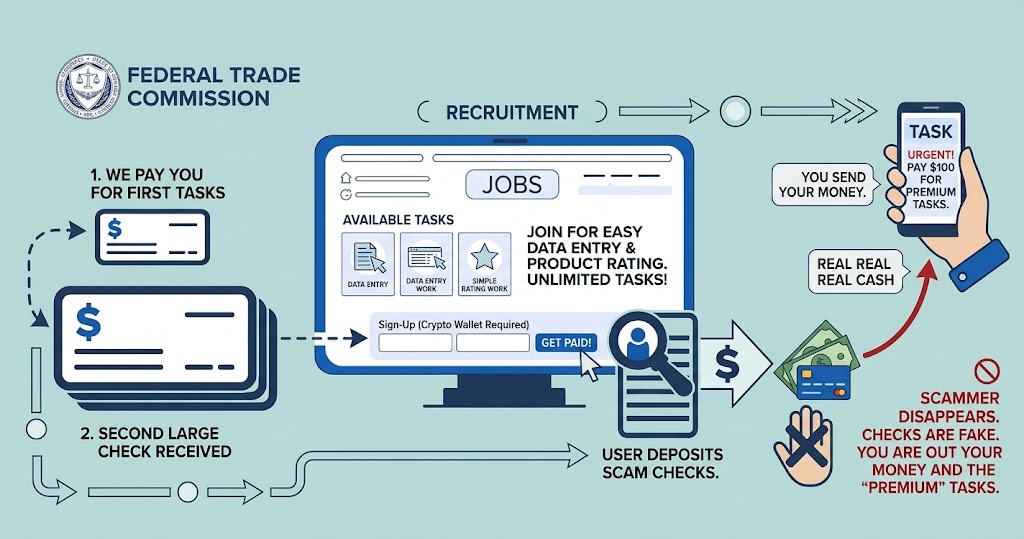
A task scam shows fake earnings for online clicks, then asks you to deposit money before you can withdraw. Here is the product boosting pattern and what to do if you already paid.

07
Oct
Oct
An unpaid toll text with a payment link is a smishing pitch. Check any real balance on the toll agency’s own site, and contact your bank if you already entered a card.
- 1
- 2