
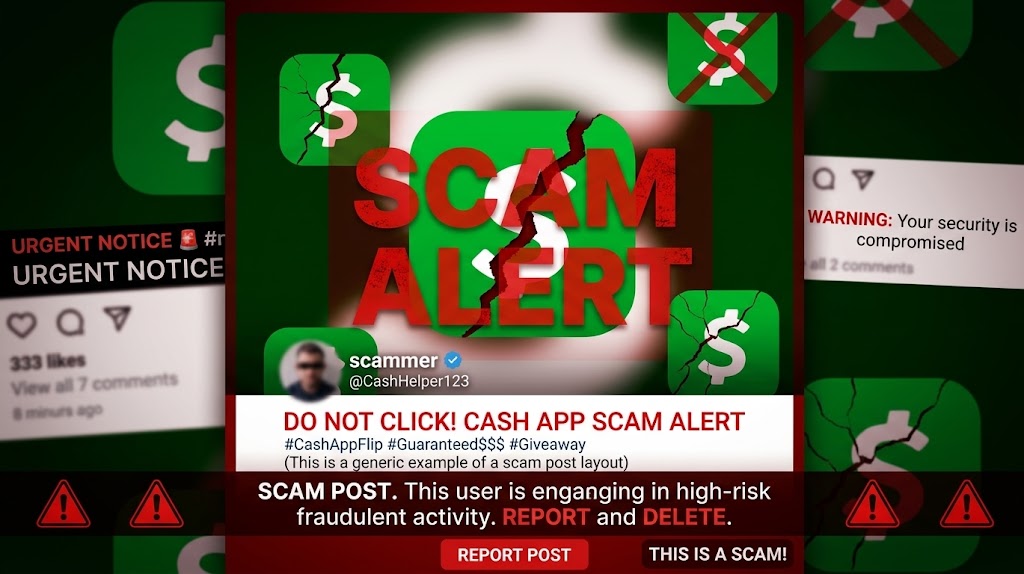
A Cash App scam tricks people into sending money, sharing account details, or clicking links that lead to fraudulent websites. Scammers may pretend to be Cash App support, a buyer, a seller, or someone who accidentally sent you money. They often create urgency to stop you from checking whether their story is genuine.
If you receive a suspicious payment notification or an unexpected request for money, do not act immediately. Open the Cash App you already use and check the transaction directly. If necessary, contact your bank using a verified phone number.
This guide explains common Cash App scams, how to recognise warning signs, and what to do if you have already sent money or shared sensitive information.
Common Types of Cash App Scams
Cash App scams take several forms. However, many rely on the same tactics: impersonation, false payment claims, unexpected requests, and pressure to act quickly.
1. Fake Cash App Support Scams
A scammer may call, text, or message you while pretending to be a Cash App support representative. They might claim that your account has a security problem or that you need to verify a payment.
The scammer may then ask for your sign-in code, PIN, password, or access to your phone. These details can allow them to compromise your account.
What to do: Do not share your sign-in code or PIN with someone who contacts you unexpectedly. Open Cash App yourself and use its official support options instead.
2. Fake Payment Notifications
You may receive a text or email claiming that someone sent you money or that a payment failed. The message may contain a link asking you to sign in to receive the funds or resolve the issue.
The link could lead to a fake login page designed to steal your account details.
What to do: Check your activity inside the Cash App itself. Do not rely on screenshots, emails, or text messages as proof that a payment has arrived.
3. Accidental Payment and Refund Scams
Someone may claim they sent money to the wrong person and ask you to return it. In some cases, the original payment may involve a compromised account or another fraudulent transaction.
If you send your own money back, the original payment could later be disputed or removed, depending on the circumstances. You could lose the money you returned.
What to do: Do not send a separate payment to refund a stranger. Check the transaction in the app and contact official support for guidance.
4. Marketplace Overpayment Scams
A buyer may offer to purchase an item and claim to have paid more than the agreed price. They then ask you to refund the difference.
Sometimes, the payment confirmation is fake. In other cases, the transaction may involve a compromised account.
What to do: Verify that the money actually appears in your account before handing over an item. Do not refund an alleged overpayment based only on a screenshot or email.
5. Fake Giveaways and Money-Flipping Offers
A social media account may promise free money, a giveaway prize, or a return that multiplies your original payment. The person may ask you to send a small amount first to unlock a larger payout.
These offers can be designed to collect payments from victims without delivering anything in return.
What to do: Do not pay a fee to claim an unexpected prize or trust promises of guaranteed profits. Verify promotions through the organisation’s official channels.
How to Recognise a Cash App Scam
Watch for these warning signs before sending money or sharing account information:
- Urgent demands: Someone says you must act immediately to protect your account or receive a payment.
- Requests for sign-in codes: A caller or message asks you to reveal a one-time code, PIN, or password.
- Suspicious links: A text or email sends you to an unfamiliar website to verify your account.
- Unverified payments: A buyer or stranger insists they have paid, but the transaction does not appear in your app.
- Unexpected refunds: Someone asks you to send money back after claiming they made a payment by mistake.
- Guaranteed profits: A person promises to multiply your money or release a large payment after you send a smaller amount.
- Pressure to avoid official support: Someone tells you not to contact Cash App, your bank, or another trusted person.
One warning sign is enough to pause and verify the request independently.
What to Do If You Have Been Scammed on Cash App
If you suspect a Cash App scam, act quickly. The steps you take depend on whether you sent the payment yourself, someone accessed your account, or you only shared information.
1. Stop Communicating With the Scammer
Do not send additional money or follow instructions to unlock a payment, receive a refund, or verify your identity through an unfamiliar link.
Save relevant messages before blocking the account or phone number.
2. Report the Transaction to Cash App
Open Cash App directly and use its official support options to report the suspicious account or payment. You can also visit the official Cash App Help website.
Explain what happened and provide the transaction details. Ask whether the payment can be cancelled, disputed, or reviewed.
A completed payment may be difficult to reverse, and a refund is not guaranteed. However, reporting the incident promptly is important.
3. Secure Your Account
If you shared a sign-in code, PIN, password, or other sensitive information, take steps to protect your account immediately.
- Change any compromised password.
- Review recent account activity and linked payment methods.
- Enable available security features.
- Contact official support if you suspect someone accessed your account.
- Change reused passwords on other services.
If you notice unauthorised withdrawals or charges, contact your bank or card issuer using a verified phone number.
4. Contact Your Bank if Necessary
Tell your bank what happened and explain whether you authorised the transaction or someone made it without your permission.
These situations may be handled differently. Ask the bank which dispute or fraud-reporting options apply to your particular payment method.
Do not assume that every payment can be reversed, but do report suspicious activity as soon as possible.
5. Preserve the Evidence
Keep records that may help explain the incident, including:
- The amount and date of the payment.
- The transaction reference or receipt.
- The recipient’s $Cashtag, phone number, or email address.
- Screenshots of messages and suspicious payment notifications.
- The phone numbers, email addresses, and account names used by the scammer.
- Any related bank or card statements.
These details can help Cash App, your bank, or the relevant authorities review the incident.
6. Report the Scam
If you are in the United States, you can report fraud to the Federal Trade Commission. For internet-related crime, you can also file a report with the FBI’s Internet Crime Complaint Center.
If you received a suspicious text message, your mobile carrier may also provide a way to report it. In the United States, forwarding spam texts to 7726 (SPAM) is a commonly supported reporting method.
If you live outside the United States, contact the appropriate local consumer protection or cybercrime authority.
Can You Get Your Money Back After a Cash App Scam?
Getting money back after a Cash App scam depends on the circumstances. The type of transaction, whether it was authorised, how quickly you reported it, and the available evidence can all affect the outcome.
If someone accessed your account and made an unauthorised payment, report it to Cash App and your bank or card issuer immediately. If you sent money yourself because someone deceived you, explain the circumstances and ask what review or dispute options are available.
Do not assume that a payment is refundable simply because you report fraud. Cash App or your financial institution must assess the transaction under the applicable procedures.
Be cautious of anyone who promises a guaranteed refund or demands an upfront fee to recover your money. A second person claiming to be a recovery specialist may be targeting you because you have already lost money.
What If the Cash App Scam Involved Cryptocurrency?
Some scams begin with a Cash App payment and later direct the victim to buy cryptocurrency or deposit cash at a Bitcoin ATM. In these cases, preserve records of both the original payment and the subsequent cryptocurrency transaction.
If cryptocurrency was sent, useful records may include the transaction ID, the recipient’s wallet address, the amount, and the date and time.
Blockchain analysis may help trace cryptocurrency movements where the relevant transaction data is available. However, tracing funds does not automatically identify the person controlling a wallet or guarantee that the funds can be recovered.
Read our guide to Bitcoin ATM scams for more information about fraudulent cryptocurrency kiosk payments.
How Cipher Tracing Can Help Review a Scam
If your incident involved cryptocurrency, the available transaction records may help establish where the funds were sent and whether further analysis is possible.
Cipher Tracing provides information about its crypto recovery services. Depending on the circumstances, a review may examine transaction IDs, wallet addresses, and other available evidence to assess possible next steps.
To submit details about an incident, visit our report a scam page.
Never share your cryptocurrency wallet’s seed phrase, private keys, passwords, or authentication codes with someone claiming to investigate your case. These secrets are not needed simply to examine a public blockchain transaction.
No service can guarantee that lost money or cryptocurrency will be recovered. Any assessment should explain what the available evidence supports and what limitations remain.
How to Protect Yourself From Cash App Scams
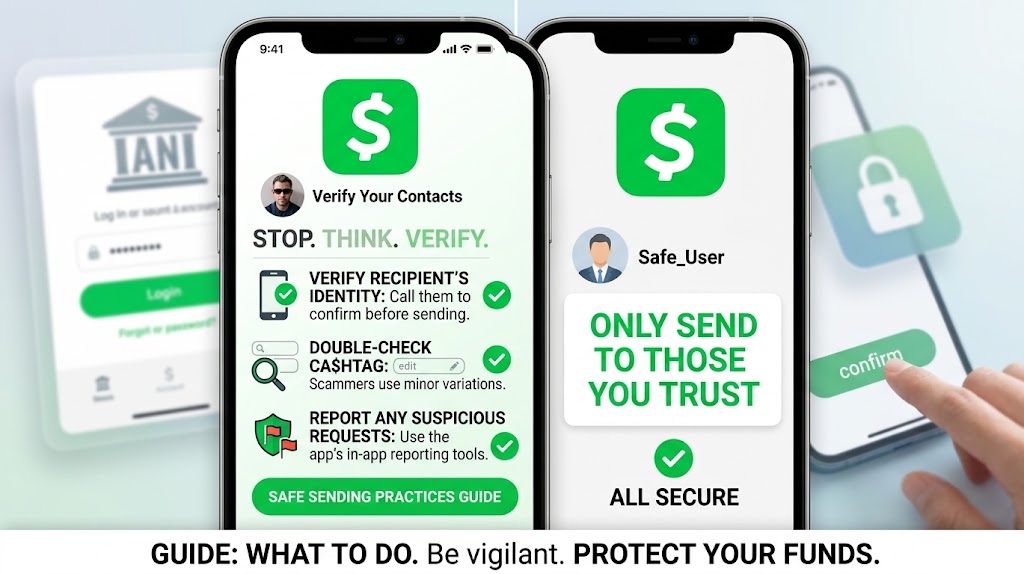
You can reduce your risk by following these precautions:
- Use Cash App’s official support channels rather than contact details sent by strangers.
- Never share your sign-in code, PIN, or password with someone who contacts you unexpectedly.
- Check payments inside the app before handing over goods or services.
- Do not send a separate refund to a stranger who claims to have paid you by mistake.
- Avoid offers that promise guaranteed profits or free money in exchange for an upfront payment.
- Verify unexpected requests through a separate, trusted communication channel.
- Review account activity and report suspicious transactions promptly.
Most importantly, pause whenever someone pressures you to act before you can verify the facts.
Final Thoughts
A Cash App scam may involve fake payment notifications, impersonated support agents, refund requests, or misleading investment offers. Although these scams use different stories, they often aim to make you send money or reveal sensitive account information.
If you suspect fraud, stop communicating with the scammer, report the incident through official channels, secure your account, and preserve the evidence. Contact your bank if a linked account or payment card may be affected.
If cryptocurrency was involved, transaction records may help support an investigation, but tracing does not guarantee recovery. Be cautious of anyone who promises otherwise.
